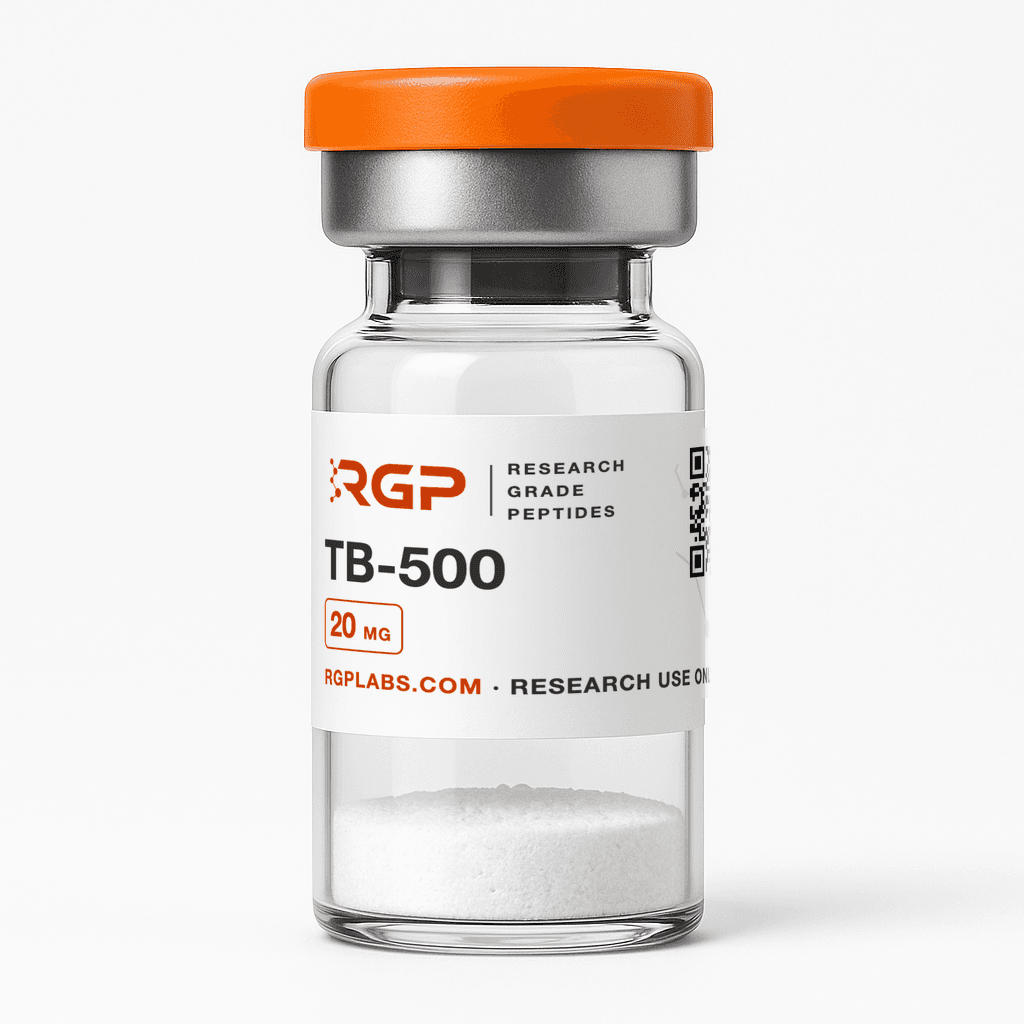
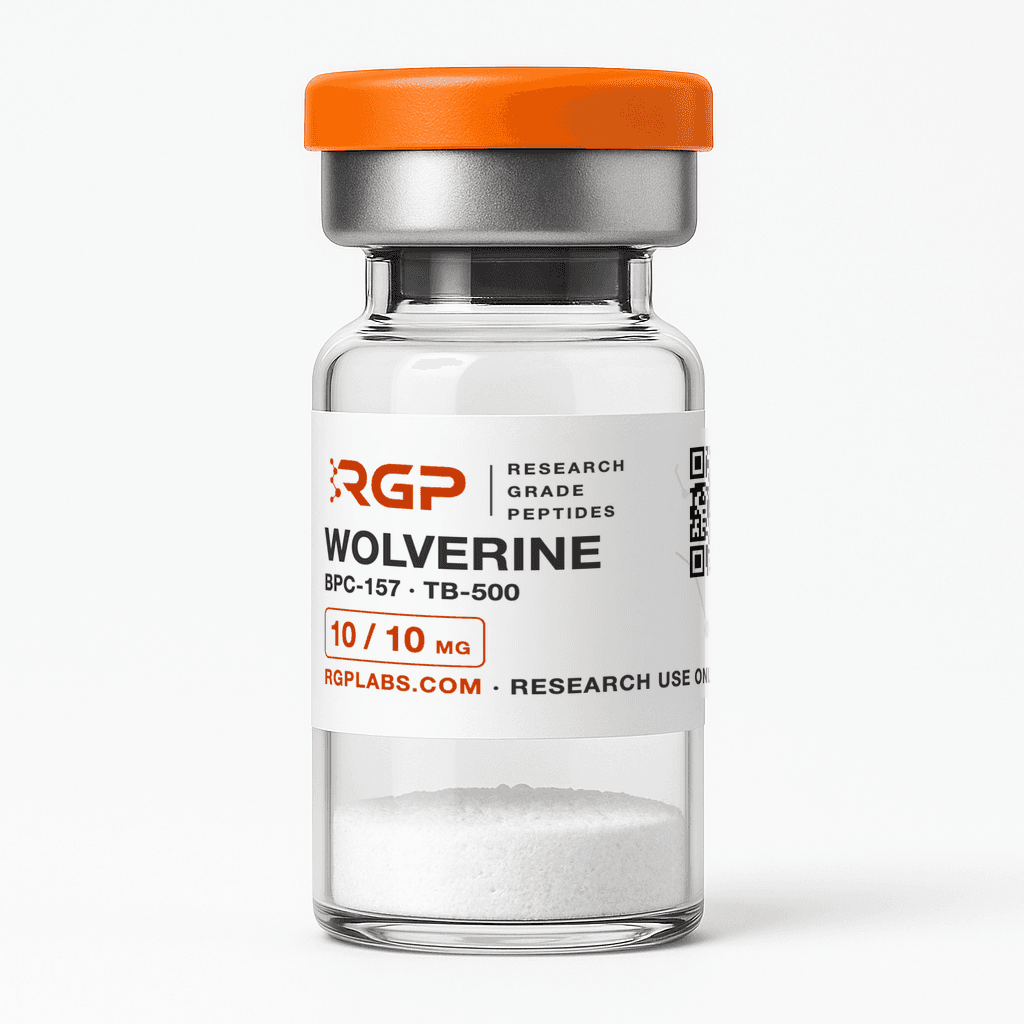
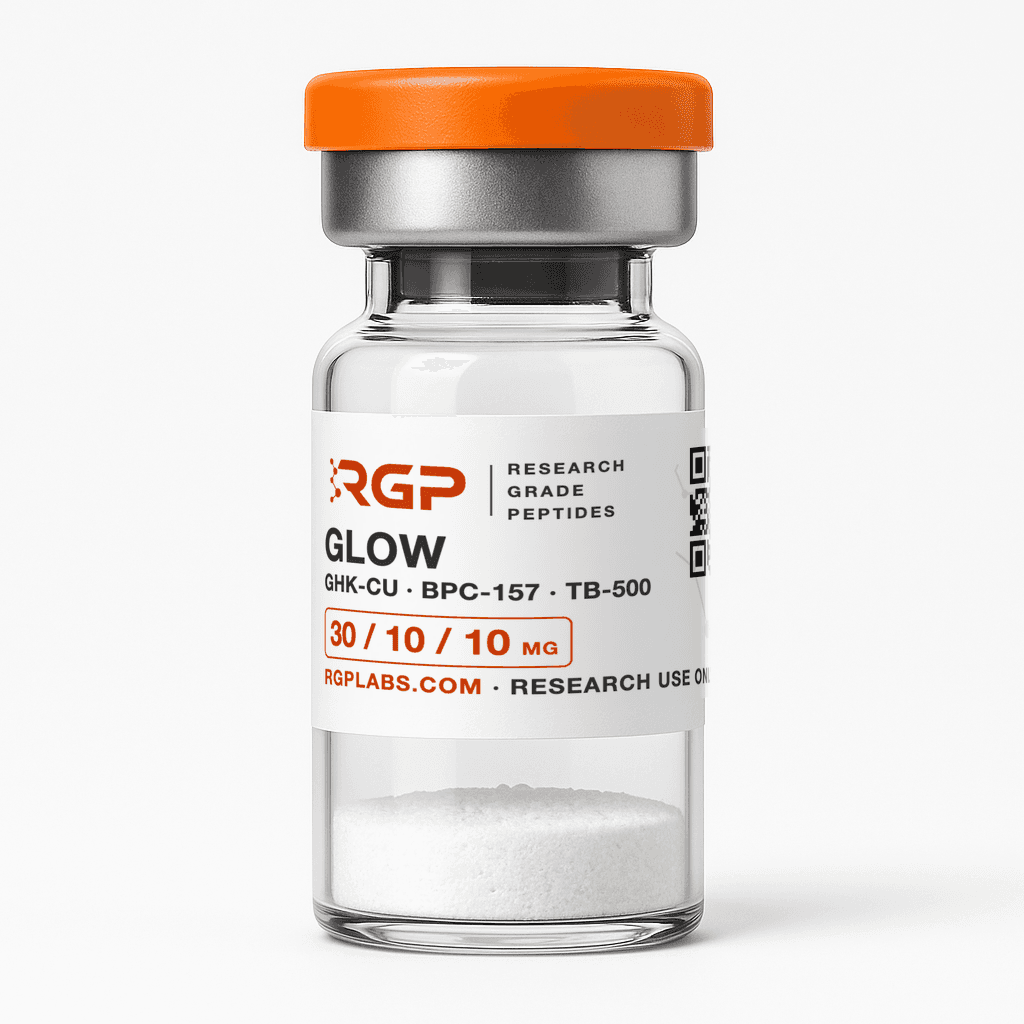
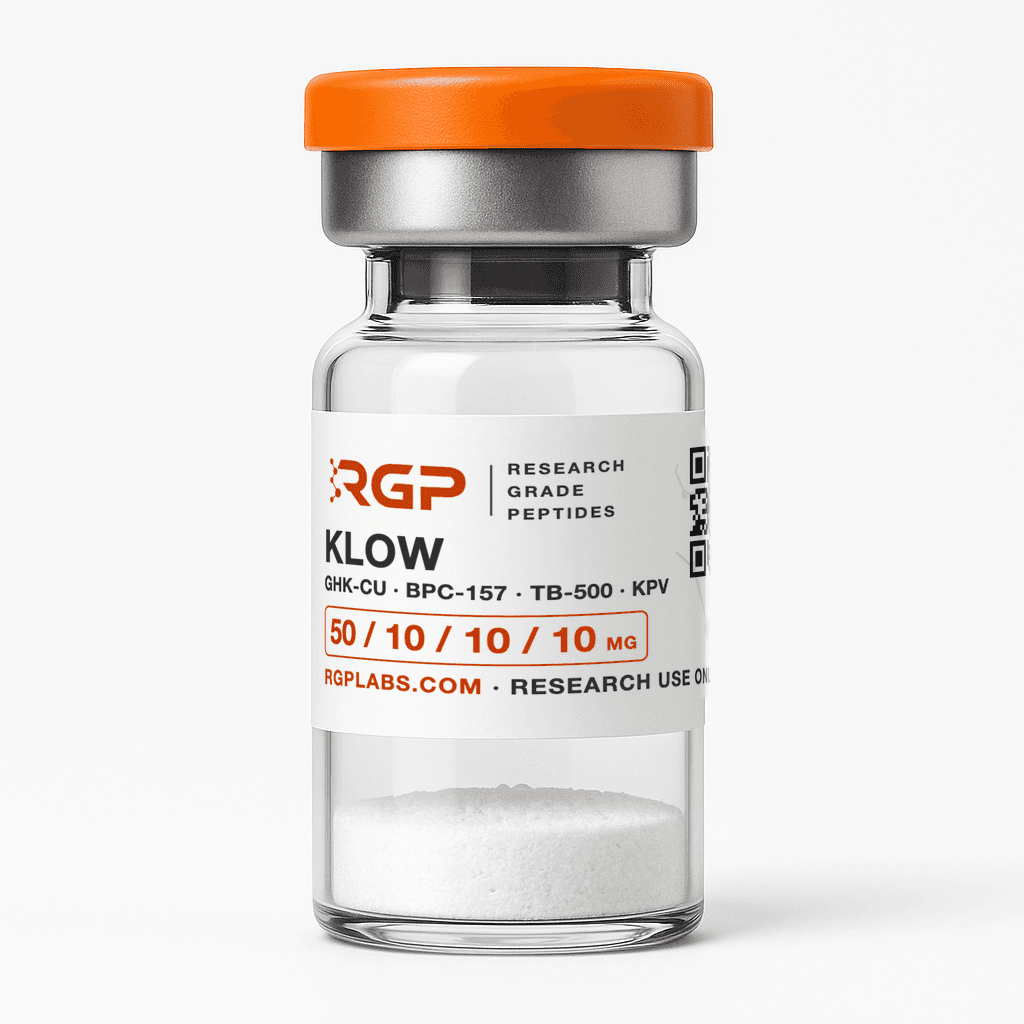
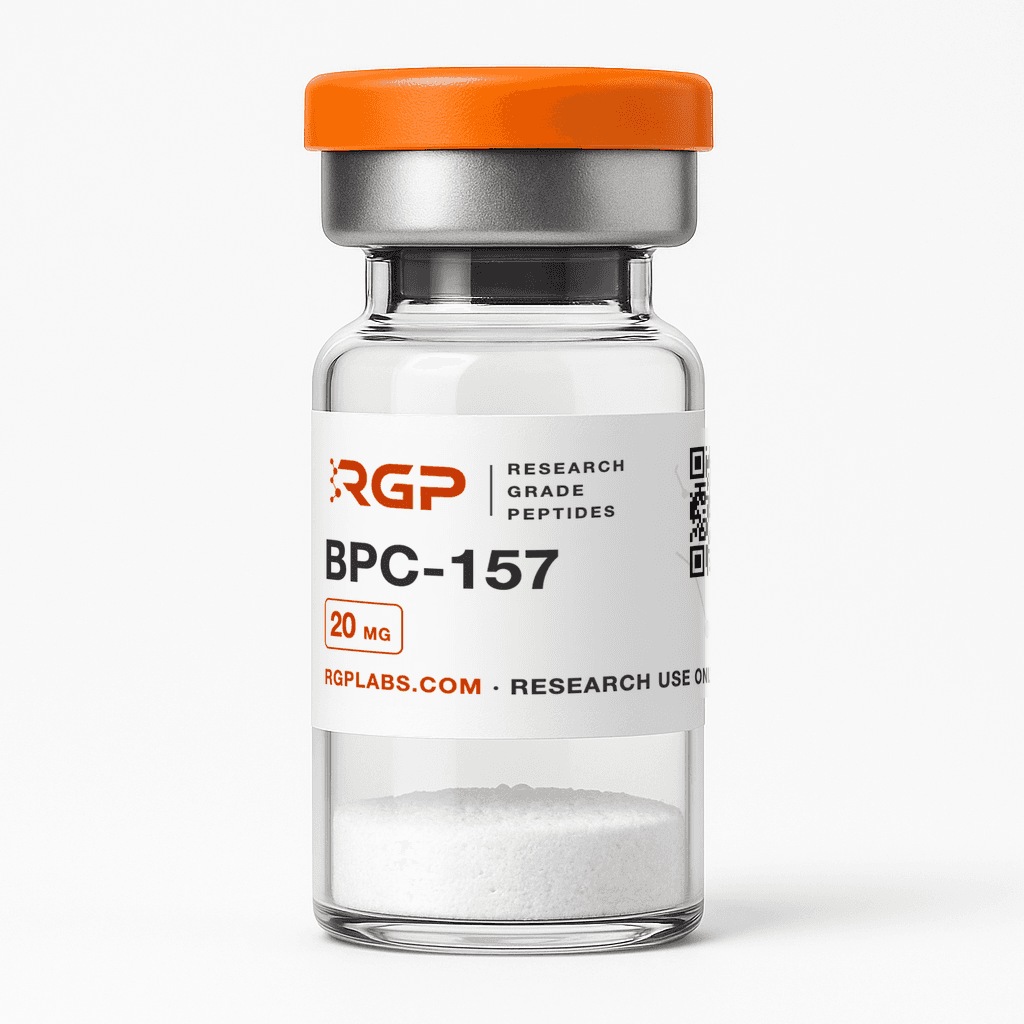
BPC-157
The most-discussed repair peptide in the research literature
CAS 137525-51-0$99.00
BPC-157
CAS 137525-51-0$99.00
- Crypto: save 10%
- Venmo: save 5%
- Zelle: save 5%
- Cash App: save 5%
A stable gastric pentadecapeptide studied for tissue-repair, gut-health, and inflammation research.
- Ships fast from the US
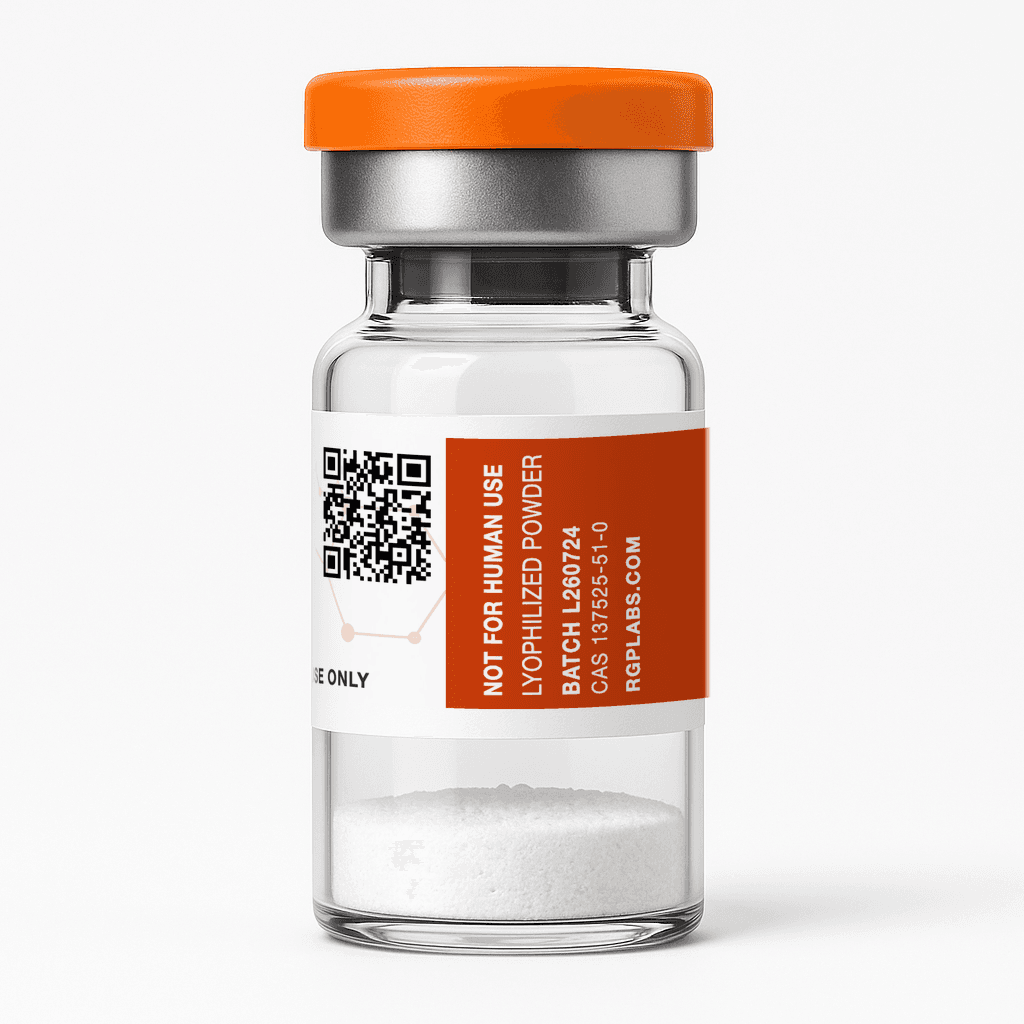
- Batch number on every vial
- ≥99% HPLC purity target
Before ordering
- For laboratory research use only — not for human or veterinary use.
- Every vial carries a batch number (see Batch Information below).
- Read the Shipping Policy and Refund Policy before ordering.
Research Overview
The most-discussed repair peptide in the research literature
BPC-157 is a synthetic 15-amino-acid peptide derived from a partial sequence of a protective protein found in human gastric juice. First characterized by researchers at the University of Zagreb in the early 1990s, it has become one of the most studied peptides in preclinical injury-repair research — with a literature spanning tendon, ligament, muscle, gastrointestinal, and vascular models.
Tendon & ligament healing
Preclinical (cell & animal)The best-known BPC-157 literature. In rat models of Achilles tendon detachment and ligament injury, BPC-157 administration was associated with faster, more organized healing. In vitro work suggests a mechanism: enhanced tendon fibroblast outgrowth, survival, and migration.
Gastrointestinal protection
Preclinical (cell & animal)BPC-157's original research context. Across rodent models of gastric ulcer, fistula, and inflammatory bowel injury, it showed consistent cytoprotective effects — the reason its discoverers dubbed it a 'body protection compound.'
Angiogenesis & vascular repair
Preclinical (cell & animal)Studies in injury models report that BPC-157 promotes new blood-vessel formation, with in vitro evidence pointing to VEGFR2 pathway activation — a plausible common thread behind its effects across different tissue types.
Nervous system models
Preclinical (cell & animal)A newer and smaller branch of the literature examines BPC-157 in central nervous system injury models and the brain–gut axis, summarized in a 2022 review. This work remains early even by preclinical standards.
There are no published human randomized controlled trials of BPC-157. Every efficacy claim you see traces back to animal or cell studies.
Technical Specifications
- CAS Number
- 137525-51-0
- Formula
- C62H98N16O22
- Molecular Weight
- 1419.5 g/mol
- Sequence
- GEPPPGKPADDAGLV
- Purity Target
- ≥99% (HPLC)
- Appearance
- White lyophilized powder
- Vial Size
- 20 mg
- Solubility
- Soluble in bacteriostatic water and sterile water.
- Storage
- Lyophilized: store at -20 C, protected from light. Reconstituted: 2-8 C, use within 28 days.
- Handling
- For laboratory research use only. Handle aseptically and avoid repeated freeze-thaw cycles.
Why RGP
We're deliberately not the cheapest vial on the market. Every batch is manufactured to a ≥99% HPLC purity target, batch-tracked from manufacture to your bench, and shipped fast from the US with full specifications on record. Independent third-party testing is underway — results will be published here as they come in.